Bapatla Constituency
Bapatla is a land of resilience and promise, home to farmers, fishermen, artisans, and micro & Small Businesses. Though the region has faced challenges in education, infrastructure, and opportunities, its spirit remains unshaken, with every community striving for a brighter tomorrow.
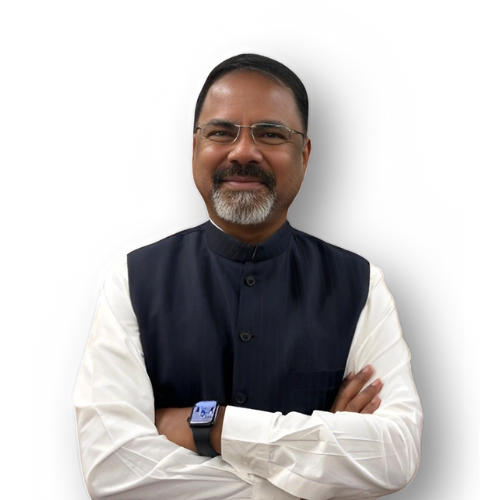
With Krishna Prasad Tenneti as its voice in Parliament, Bapatla is stepping into a new era of growth and transformation. By addressing backwardness, empowering youth, and strengthening livelihoods, this constituency is on a journey to become a model of inclusive progress for Andhra Pradesh and India.
Bapatla Constituency
Bapatla is a land of resilience and promise, home to farmers, fishermen, artisans, and micro & Small Businesses. Though the region has faced challenges in education, infrastructure, and opportunities, its spirit remains unshaken, with every community striving for a brighter tomorrow.
With Krishna Prasad Tenneti as its voice in Parliament, Bapatla is stepping into a new era of growth and transformation. By addressing backwardness, empowering youth, and strengthening livelihoods, this constituency is on a journey to become a model of inclusive progress for Andhra Pradesh and India.
A region with deep roots and boundless possibilities
Bapatla (SC) constituency spans parts of Guntur and Prakasam districts, blending agricultural plains, coastal towns, and artisan communities. With a predominantly rural population and notable SC/ST representation, it stands at a crossroads between traditional livelihoods and emerging opportunities.
It is rich in cultural heritage and supported by agriculture, aquaculture, weaving, and small-scale industries, the region thrives on its strong community bonds and diverse economic activities. Yet, alongside its strengths, Bapatla presents vast scope for growth. Gaps in literacy, healthcare, infrastructure, and employment opportunities signal the potential for transformative socio-economic reforms. With its strategic location and resourceful population, Bapatla is well-positioned to become a model of balanced development, one that uplifts every citizen while contributing to the progress of Andhra Pradesh and India as a whole.
Demographic Profile
With a population of over 18.5 lakh people—84% living in rural areas—Bapatla reflects both potential and pressing needs.
Metrics
Value
Description
Total Population
18,52,533
Majority rural — 84.47% rural, 15.53% urban
Gender Ratio
1,012 females / 1,000 males
Reflecting balanced demographics
Languages
Telugu ~93%, Urdu ~6%
Predominantly Telugu-speaking
Religion
Hindu ~91.8%, Others
Includes Muslim & Christian minorities
Literacy Rate
Overall 63.08% (Male: 72.92%, Female: 53.11%)
Indicates gender disparity in education
Social Composition
SC: ~24%, ST: ~5%
Significant representation of marginalized communities
Population Density
193 / sq km (Guntur district)
Average rural density
Population Density & Gender Ratio
In 2024, 14.92 lakh voters entrusted T. Krishna Prasad with the responsibility to represent Bapatla in the Lok Sabha. With an electoral gender ratio of 1,040 women per 1,000 men, Bapatla stands out for strong women’s participation—a foundation for social progress that he intends to nurture further.
Settlement Patterns
With a population density of 193 people per square kilometre, Bapatla is relatively less dense compared to other parts of the state. The sex ratio of 1,012 females per 1,000 males is higher than the national average, reflecting a balanced demographic distribution. These patterns play an important role in shaping public services, healthcare access, and economic activity.
Bapatla Constituency
Administrative Divisions
Bapatla consists of 7 Assembly Segments, 5 Urban Local Bodies, and 29 Mandals each with unique challenges and strengths. From the fishing communities of Nizampatnam to the weavers of Chirala, Krishna Prasad aims to ensure no area is left behind in the path to development.
Santhanuthalapadu (SC)
Addanki
Parchur
Chirala
Bapatla
Vemuru (SC)
Repalle
Vemuru (SC), Repalle, Bapatla, Parchur, Addanki, Chirala, Santhanuthalapadu (SC)
Bapatla Parliamentary Constituency is made up of seven Assembly Segments, each representing a distinct region with its own social, cultural, and economic character. Together, they form the political backbone of the constituency, enabling focused representation and governance.
Addanki, Bapatla, Chirala, Cheemakurthy, Repalle
The five Urban Local Bodies within Bapatla drive civic administration, infrastructure, and development in the region’s towns and cities. These ULBs act as hubs of economic activity and provide essential services, connecting rural hinterlands to growing urban centers.
Amruthalur, Bapatla, Bhattiprolu, Cherukupalle, Karlapalem, Kollur, Nagarnagar, Nizampatnam, Pittalavanipalem, Repalle, Tsundur, Vemuru, Chirala, Vetapalem, Chinaganjam, Karamchedu, Martur, Inkollu, Korisapadu, Parchur, Addanki, Ballikurava, Yeddanapudi, Santhamaguluru, J. Panguluru, Santhanuthalapadu, Maddipadu, Naguluppalapadu, Chimakurthy
Bapatla’s 29 Mandals encompass its diverse rural heartland, where agriculture, aquaculture, and small-scale industries sustain livelihoods. These Mandals form the grassroots foundation of governance, ensuring that local needs and development initiatives are addressed effectively.
Socio-Economic Challenges and Backwardness
Bapatla Parliamentary Constituency stands as both a land of promise and a reminder of the developmental gaps that persist in rural India. While blessed with fertile lands, aquaculture-rich coasts, and artisan heritage, large parts of Bapatla lag behind in literacy, healthcare, infrastructure, and economic diversity. Many mandals in the region are classified among the most backward in Andhra Pradesh, with literacy rates dipping below 55%, and SC/ST population shares exceeding 30% in certain areas.
Road connectivity in remote mandals remains inconsistent, healthcare facilities are scarce, and gender disparities in education hinder equal growth. Despite these hurdles, Bapatla’s abundant human potential, agricultural strengths, and coastal resources create an opportunity for transformative change.
Socioeconomic Realities & Opportunity Landscape of Bapatla
Agriculture and farming, the backbone of livelihoods, remain vulnerable to outdated practices, low productivity, and insufficient infrastructure. Fisheries and aquaculture, though abundant in potential, face gaps in modern facilities, storage, and value-chain integration. The weaving and artisan sector, steeped in tradition, struggles with limited market access and declining generational interest.
Agriculture & Farming
The backbone of Bapatla’s economy, with vast rural areas engaged in paddy cultivation, horticulture, and cash crops, sustaining livelihoods for a majority of households.
Fisheries & Aquaculture
Coastal and inland water resources drive robust fishing and prawn farming industries, making Bapatla a key hub for seafood exports.
Weaving/Artisan Work
Traditional weaving centers, especially in Chirala, produce renowned handlooms and textiles, preserving local heritage while supporting skilled artisans.
Other Services
Small-scale trade, transport, education, and public services provide additional income streams, contributing to the region’s socio-economic diversity.
Agricultural and Coastal Economy:
- Coastal aquaculture and inland farming dominate, with aquaculture in Chirala and Vetapalem contributing significantly to local incomes.
- Weaving clusters in Chirala sustain thousands of artisan families.
Key Development Gaps:
- Rural literacy gap: Male literacy exceeds female literacy by up to 20 percentage points in some mandals.
- Infrastructure lag: Roads, healthcare facilities, and school buildings in several mandals need urgent upgrades.
- High SC/ST population in backward mandals calls for focused socio-economic upliftment programs.
Challenge and Solution
Bapatla’s economy, while diverse, reflects the challenges of a region still striving for holistic development. Agriculture and farming, the backbone of livelihoods, remain vulnerable to outdated practices, low productivity, and insufficient infrastructure.
- Under the leadership of MP Krishna Prasad Tenneti, this challenge is being embraced as a mission — to uplift Bapatla’s socio-economic standing through modern infrastructure, digital classrooms, fisheries and agriculture value addition, skill hubs, and improved healthcare outreach. The vision is clear: a Bapatla that stands shoulder-to-shoulder with the most progressive regions of Andhra Pradesh and India.