Krishna Prasad Tenneti

Vision

With over three decades of service as an IPS officer, policy leader, and infrastructure developer, T. Krishna Prasad has a history of turning vision into reality. From building HITEC City, Hyderabad International Airport, Financial District, and the Outer Ring Road to launching Malupu, SkyDEEP, and village transformation projects, his work has always blended people-first planning with world-class execution.

Now, as the Member of Parliament for Bapatla, he brings that same capability, network, and determination to transform the constituency into a hub of opportunity, connectivity, and sustainability.


Tenneti Krishna Prasad

Vision

With over three decades of service as an IPS officer, policy leader, and infrastructure developer, Krishna Prasad Tenneti has a history of turning vision into reality. From building HITEC City, Hyderabad International Airport, Financial District, and the Outer Ring Road to launching Malupu, SkyDEEP, and village transformation projects, his work has always blended people-first planning with world-class execution.

Now, as the Member of Parliament for Bapatla, he brings that same capability, network, and determination to transform the constituency into a hub of opportunity, connectivity, and sustainability.

Physical Infrastructure: Growth Engines

In Andhra Pradesh and Telangana, Krishna Prasad Tenneti played a leading role in creating landmark projects in the past. For Bapatla, he envisions similar high-impact investments upgrading roads, expanding port facilities, strengthening rail links, and building urban amenities that connect villages and towns to markets and jobs.

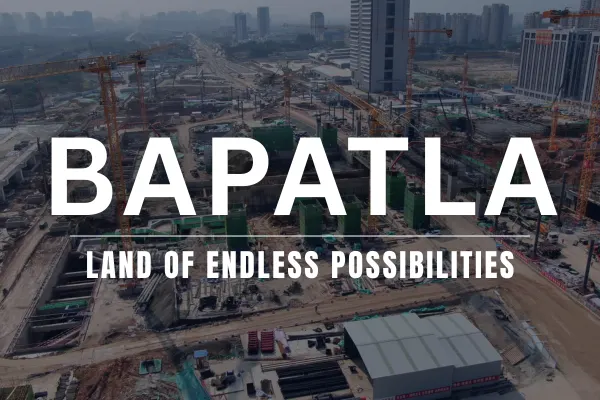
Below are some of the key growth engines that will transform Bapatla into a land of endless possibilities, powered by strategic planning, modern infrastructure, and the visionary leadership of T. Krishna Prasad.

Human Resource Development (HRD)

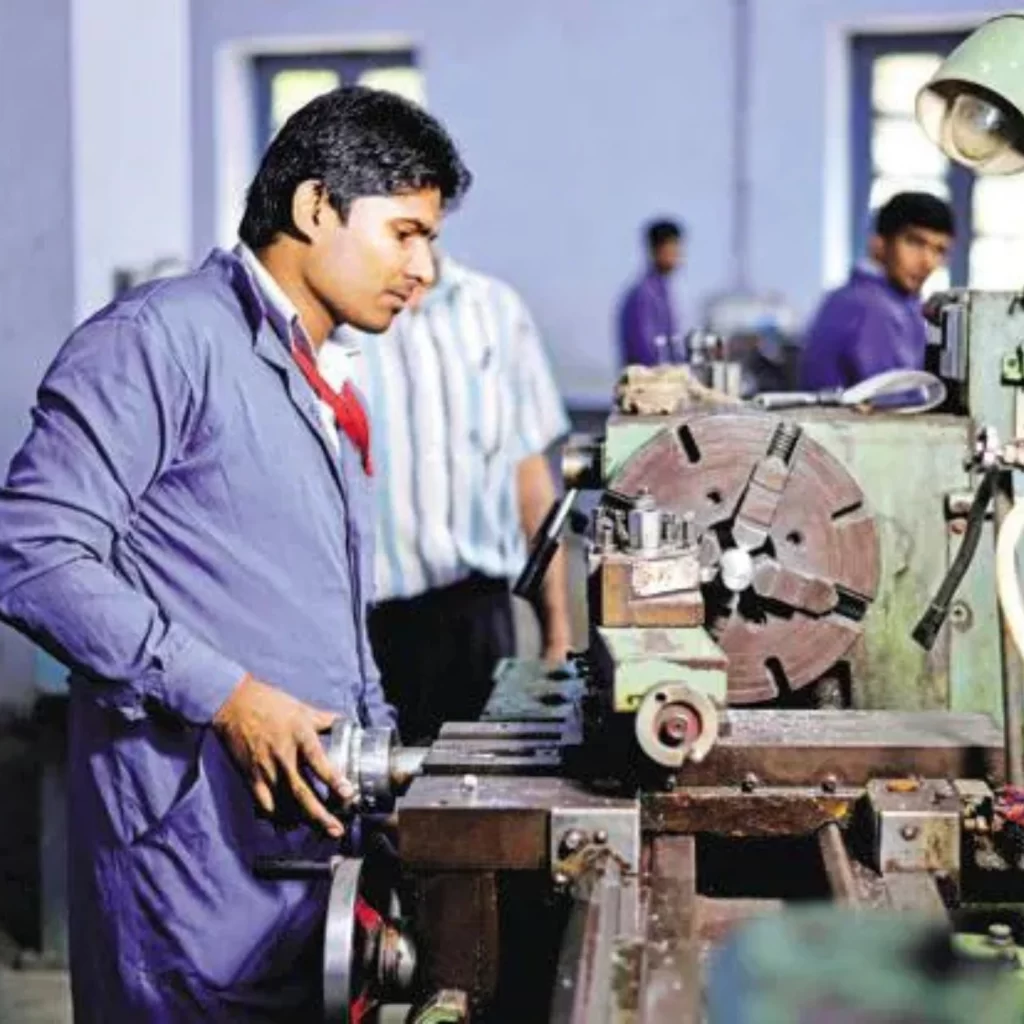
Krishna Prasad Tenneti plans to transform Bapatla’s education and employment landscape as he believes investing in people is key to long-term prosperity. The HRD plan addresses education, skills, and employment holistically.

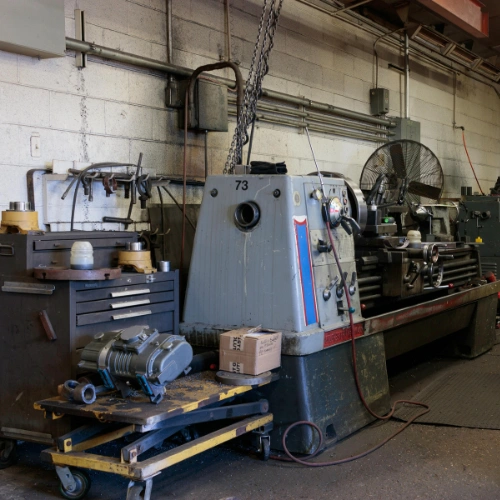
Modern infrastructure is the foundation for economic progress. Bapatla will be developed with upgraded roads, reliable public transport, modern rail connectivity, improved ports, and enhanced rural-urban linkages. Special focus will be on creating logistics hubs, industrial corridors, and urban amenities that can attract investments and industries, making infrastructure a true “growth engine” for the region.

School Education

Enhancing school infrastructure, ensuring qualified teachers, introducing digital classrooms, and strengthening foundational literacy and numeracy. Focus will also be on extracurricular development, sports, and value-based learning.

Higher Education

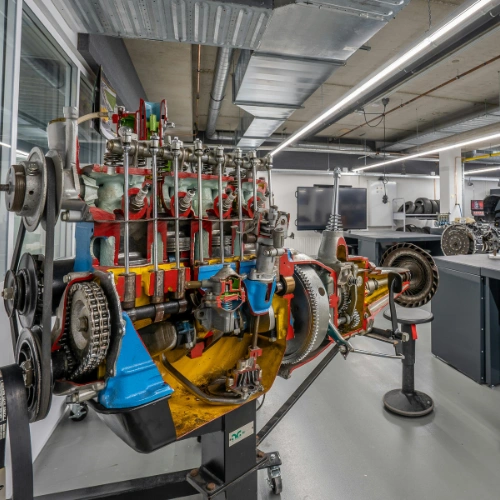
Strengthening existing colleges and attracting new universities, research centers, and professional institutions. Encouraging public-private partnerships to bring world-class higher education to Bapatla.

Skilling

Establishing skill development centers linked with local industry needs especially agriculture, aquaculture, tourism, and IT to make youth job-ready and entrepreneurship-oriented.

Employment

Creating an enabling environment for job creation through industrial investments, tourism development, IT parks, and start-up incubation centers. Partnerships with industries for campus placements and skill-based recruitment.

MSME Development

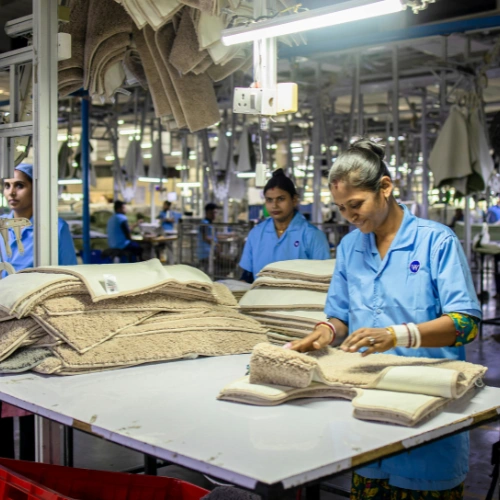
Encouraging small and medium enterprises through credit support, technology adoption, and market linkages. Promoting local products and artisans, with export-oriented strategies.

Major Sectors

Catalysts for Economic Growth

Drawing from his proven track record in building IT hubs like HITEC City, modernizing ports such as Krishnapatnam and Gangavaram, and formulating policies for industrial growth, T. Krishna Prasad will channel his expertise into transforming Bapatla’s high-potential sectors.

Information Technology (IT)

Setting up IT hubs, co-working spaces, and BPO centers in semi-urban areas to create employment without requiring migration. Promoting digital literacy and attracting IT companies to invest in Bapatla.

Agriculture and Horticulture

Promoting sustainable farming with modern techniques, irrigation upgrades, crop diversification, and farmer cooperatives. Encouraging high-value crops, organic farming, and horticulture clusters for better income.

Tourism

Leveraging Bapatla’s coastline, heritage temples, and natural beauty to create eco-tourism and beach resorts. Developing tourism circuits connecting religious, cultural, and historical spots, thus boosting local hospitality and related sectors.

Aquaculture and Fisheries

Modernizing fish farms, improving cold storage and processing facilities, and creating global export channels. Ensuring sustainable fishing practices and supporting fishermen with modern boats, safety gear, and better harbor infrastructure.

Jobs for Today, Entrepreneurs for Tomorrow

Employment & MSME Synergy

Employment is not just about finding jobs — it’s about creating opportunities where people live. Bapatla’s strategy focuses on nurturing local industries and connecting them with national and global markets.

During his tenure as CMD of Leather Industries Development Corporation (LIDCAP) Tenneti Krishna Prasad has empowered over 1.6 lakh artisans and created thousands of small businesses. With same spirit he planned to create rural industries, start-up incubation, and women-led enterprises that can generate jobs across all skill levels.

Rural Industries

Encouraging cottage industries, agro-processing units, and handicrafts rooted in local traditions.

Youth Entrepreneurship

Setting up incubation centers and offering start-up seed funding for young innovators.

Industry Partnerships

Linking local MSMEs with larger companies for supply chain inclusion.

Women Empowerment

Supporting women-led businesses with micro-credit, training, and e-commerce market access.

P4 – People, Public, Private Partnership

The P4 model, officially named the Public‑Private‑People Partnership, was launched by Andhra Pradesh Chief Minister N. Chandrababu Naidu, with active support from Deputy Chief Minister Pawan Kalyan.

The P4 Model is more than a collaboration — it’s a new way of building Bapatla’s future where every stakeholder has a voice, a role, and a responsibility. It brings together the People, Public Institutions, and the Private Sector into a single development ecosystem.

People as Partners

Citizens are not just beneficiaries but active contributors. Local communities will participate in identifying needs, designing solutions, and monitoring progress. This ensures that every project reflects real priorities, not top-down assumptions.

Public Institutions as Enablers

Government bodies will provide the legislative framework, funding, and infrastructure support. Their role is to ensure that the partnership operates with transparency, fairness, and long-term sustainability.

Private Sector as Catalysts

Businesses will bring innovation, technical expertise, and investment capital. By aligning their corporate social responsibility and profit goals with community needs, they can accelerate impact while generating economic returns.

This model ensures shared ownership, transparency, and accountability. From infrastructure projects to skill development programs, P4 ensures that development is by the people, for the people, with the people.

Preserving Our Heritage – Honoring the Past, Enriching the Future

Bapatla’s history is an asset — its ancient temples, colonial-era buildings, and cultural landmarks tell the story of generations. The vision is to preserve, restore, and promote these treasures while creating opportunities around them.

Restoration Projects

Scientific conservation of temples, monuments, and historic structures.

Local Craft Promotion

Reviving traditional crafts, weaving, and artisanal work for global markets.

Heritage Tourism

Creating guided tours, cultural festivals, and craft fairs to attract visitors.

Community Involvement

Training local youth as guides and heritage ambassadors.

GREEN BAPATLA

Climate Action for a Greener Tomorrow

Bapatla’s long-term prosperity depends on environmental sustainability. The vision is to make the constituency a model district for climate resilience.

This plan addresses both mitigation (reducing future damage) and adaptation (coping with existing challenges), ensuring a healthy, livable Bapatla for generations to come.

Renewable Energy

Solar power installations for public buildings, schools, and rural households.

Green Agriculture

Promoting climate-resilient crops, water-efficient irrigation, and organic farming.

Coastal Protection

Measures to prevent erosion and safeguard fishing communities.

Waste Management

Setting up recycling units, community composting, and plastic-free zones.

This is not just a vision, it’s a continuation of a lifetime of proven work.

TENNETI KRISHNA PRASAD

A fearless IPS officer, visionary reformer, and dedicated MP, turning service into lasting change for people and nation.

Know more

Connect with me